Why Chennai is One of the Safest Cities in India for Medical Tourism
Chennai consistently ranks among India’s safest major cities for international travelers. While no city is without risk, Chennai’s crime rates involving tourists remain significantly lower than comparable metros like Delhi or Mumbai. The city’s orderly infrastructure, respectful public culture, and rare incidents of violent crime make it particularly reassuring for medical travelers during what can be a vulnerable time.
One visible indicator of this safety is Chennai’s large working women’s population across hospitals, offices, campuses, and public spaces. This reflects broader gender equity and social progressiveness—factors that research consistently links to lower crime rates and safer public environments overall.
A City Built on Social Equality
Despite its traditional appearance, Tamil Nadu’s political and social foundation rests on Dravidian values: social equality, rationalism, and public welfare. These principles have shaped a culture that is warm yet non-intrusive, helpful without being overbearing, and deeply respectful of personal boundaries.
For medical travelers, this translates into a city where you can move confidently through hospitals, hotels, and neighborhoods without constant vigilance or anxiety. The social fabric here supports rather than scrutinizes.
Why Chennai Feels Different: A Cultural Insight
Chennai’s warmth doesn’t announce itself through small talk or polished urban cheerfulness. It reveals itself in moments that matter. This is a city that will bring itself to a complete halt for another human life.
There have been countless instances of traffic stopping across kilometers so an ambulance transporting organs for transplant can move unhindered. Drivers pull over instinctively. Commuters wait without complaint. The city understands urgency—and when it does, everyone participates quietly, without fuss.
The same collective spirit appeared during the 2017 Marina Beach demonstrations, when millions gathered to protest the jallikattu ban. Despite the enormous crowds, the protest remained largely peaceful, respectful, and dignified. Chennai expresses strength without aggression. Even in daily inconveniences, the city absorbs disruption with calm acceptance that’s rare in large urban spaces. There’s no need to shout to be understood here.
Chennaiites are known for being quietly helpful. Not everyone will stop, but most will go out of their way once they understand help is genuinely needed. This isn’t friendliness for display—it’s friendliness of character.
What’s Expected of International Travelers in Chennai
Quite honestly, not much. Chennai—and India more broadly—was not built to attract tourists. This is a civilizational state that exists through time on its own terms, not as a destination engineered for foreign visitors.
Even the emergence of world-class, internationally renowned hospitals happened with little to no state patronage. These institutions were built to serve the local population first. International patients discovered them later, drawn by quality and outcomes rather than marketing campaigns.
The influx of medical travelers has not displaced locals from these facilities. If anything, it has sharpened the skill of surgeons who were already internationally trained. Treating a continuous flow of complex cases from diverse populations—different body types, genetic backgrounds, comorbidities—gives surgeons the kind of pattern recognition and judgment that only high-volume, real-world practice can build. Like an army that’s seen combat versus one that hasn’t, experience under fire makes the difference. This benefits everyone who seeks care here, regardless of where they’re from.
Chennai does not perform for you. It simply is. And that’s precisely why it works so well for medical travelers seeking substance over spectacle.
Navigating Chennai: A Few Cultural Pointers
- Most people under forty are comfortable communicating in English, so asking for what you need will not be difficult. A genuine smile goes a long way here. Small talk is welcome when people are not in a hurry—just read the room.
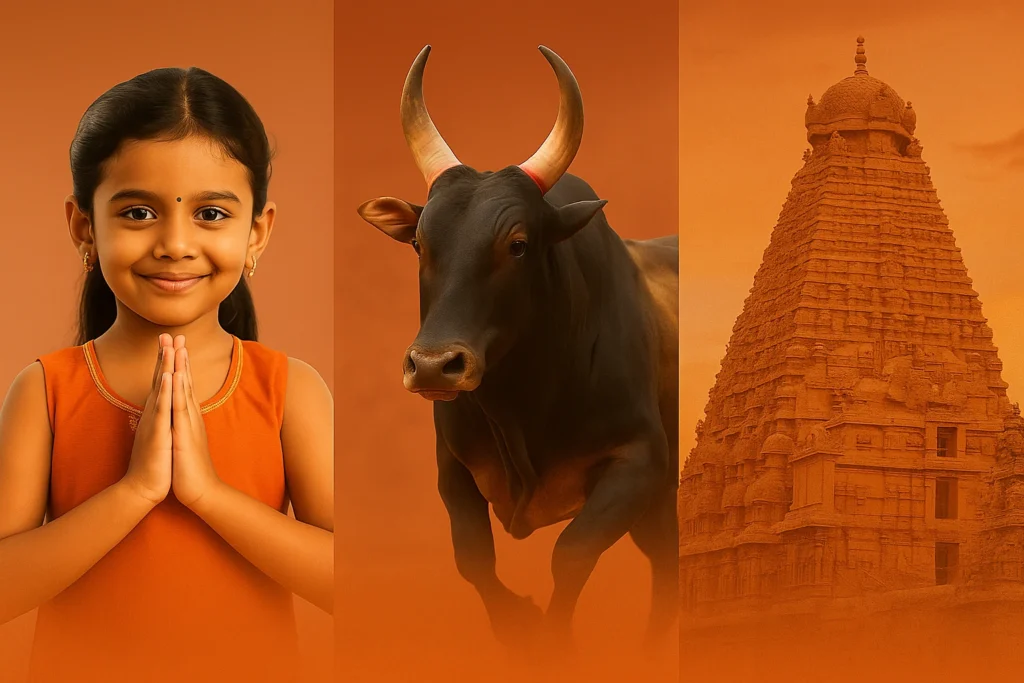
- Chennai is spiritual rather than religious in the performative sense. Many of the oldest and most architecturally significant Shiva temples are found in Tamil Nadu, but belief here tends to be quiet, personal, and woven into daily life. Faith is not used for identity politics or public display. People generally prefer to keep it private and respectful. You’re welcome to visit temples as a respectful observer, but there’s no pressure or expectation to engage.
- A smile is usually enough. Handshakes are optional and becoming more common in professional settings. Hugs are typically reserved for family or close friends. A slight nod or a polite “hello” works perfectly in most situations.
- Most public beaches in Chennai—Marina Beach especially—are enjoyed for the sea breeze, evening walks, and street food, not for swimming. The currents can be strong and the water isn’t always clean. If you want to swim, private beach resorts or city swimming facilities are widely available and commonly used by locals and travelers alike.
- Chennai is modern, but public dress tends toward modesty—not out of strict rules, but out of shared comfort and consideration for others. In hospitals, hotels, and restaurants, casual Western clothing is perfectly fine. For temple visits or more traditional settings, covering shoulders and knees is appreciated. It’s less about enforcing a code and more about blending in respectfully.
- Chennai operates at its own rhythm. Traffic can be chaotic but rarely aggressive. Services may feel slower than what you’re used to—this isn’t inefficiency, it’s a different relationship with time. Let go of rigid schedules outside of your medical appointments, and you’ll find the city much easier to navigate.
- Drink only bottled or filtered water. Street food is generally safe if it’s freshly cooked and busy (high turnover means fresher ingredients), but if you’re recovering from surgery, stick to hospital-recommended meals or reputable restaurants until you’re fully healed.
- Service charges are often included in restaurant bills. If not, 5-10% is considerate. For drivers or helpers arranged through Anvita, tipping is never expected (our people are paid well!). For the rest, use your judgment based on the service provided.
You’re invisible (in a good way)
Chennai is massive—6,000 square kilometers, 13 million people, roughly twice the population of New Zealand. In a city this size, you disappear into the everyday hum of metropolitan life, and that’s actually reassuring.
Nobody’s watching you. People have seen it all by now. You could wear a winter jacket in 35°C heat and nobody would care—they’d assume you’re cold-sensitive or just came from somewhere colder. The city is too busy being itself to analyze you.
For someone recovering from surgery or navigating medical appointments, this kind of functional anonymity is a gift. You’re not a spectacle. You’re just another person going about your day.
Planning a medical trip to Chennai? Connect with our team to discuss your treatment options and how we can support your journey.
Gaudham Pragadesh
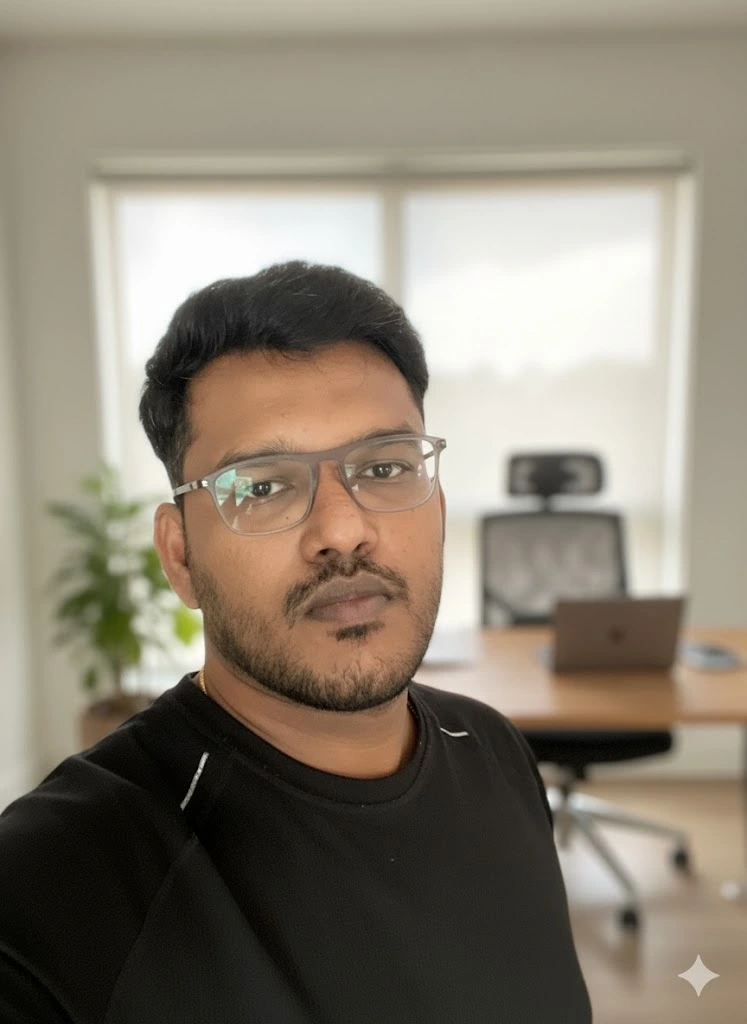
Gaudham is the founder of Anvita Medtours, helping international patients access safe, transparent, and high-quality medical care in India. His work focuses on simplifying treatment planning, reducing costs, and providing personalised support for patients and families travelling abroad for healthcare.
“Clear information, honest pricing, and compassionate care form the foundation of every patient journey.”